The Future of Mobile App Development: Trends and Predictions
19 Feb 2025The mobile application development world shows remarkable speed of development. Modern businesses must follow recent mobile application development trends because they depend on digital tools to reach their customer base. The market shows no sign of slowing down businesses, which forces companies to transform their operations to obtain competitive effectiveness. We investigate the future path of business-oriented mobile applications by examining upcoming trends in mobile development and new technological effects together with forthcoming challenges and opportunities.
Top Trends in Mobile App Development
The world of mobile application development is continuously changing with new technologies coming every day that help businesses improve their way of connecting with customers and managing their work. Let's review some of the major trends that are changing the mobile app development future:
Artificial Intelligence and Machine Learning Integration
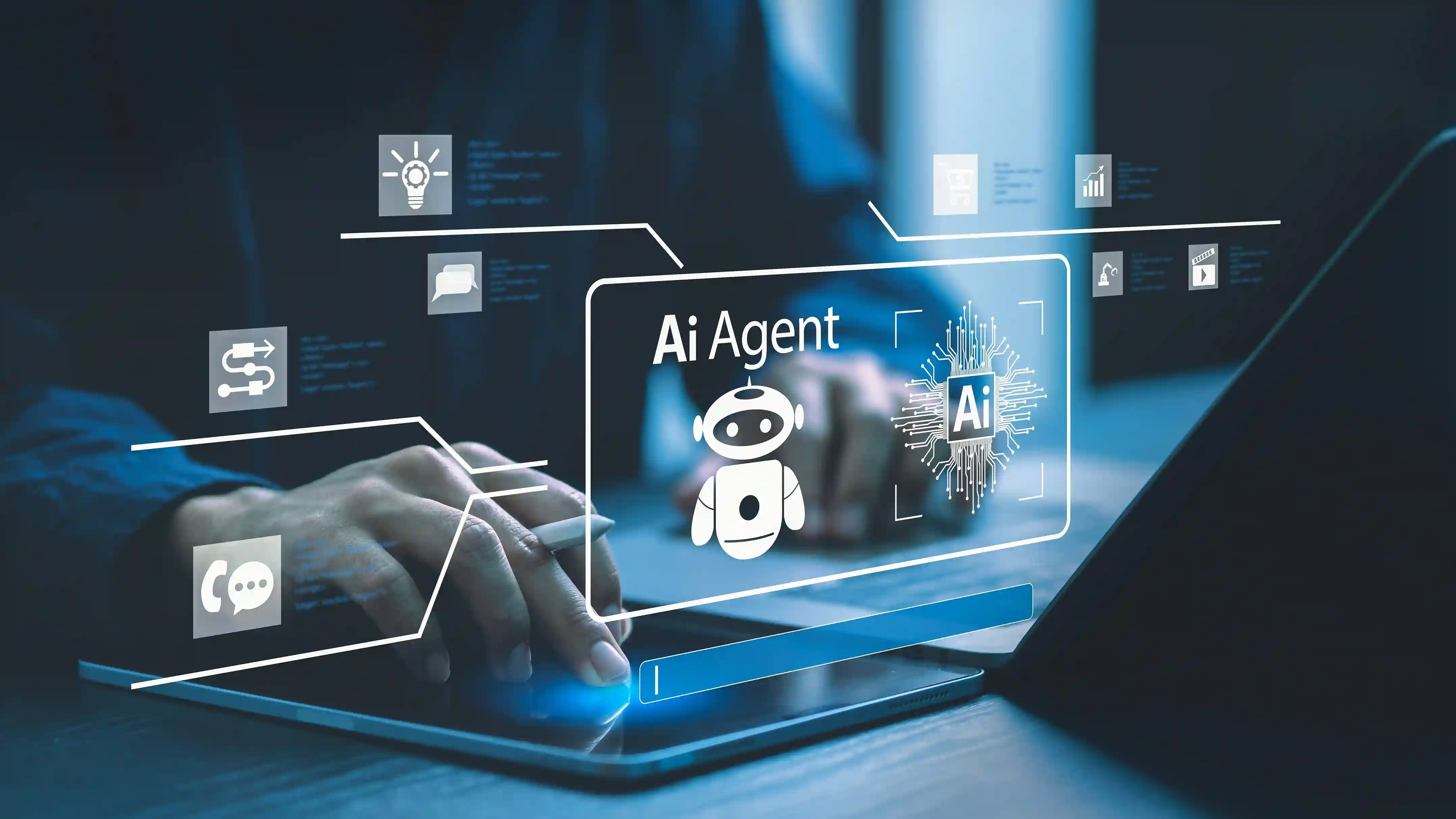
The developments in mobile application development receive significant transformation through Artificial Intelligence (AI) and Machine Learning (ML) technologies. Nowadays, businesses use AI to develop personalized experiences for their users. Mobile applications use artificial intelligence to generate recommendations for users, optimize GUI elements, and perform automated tasks that depend on fundamental user activities.
Implementing AI into mobile applications has allowed companies to better understand their customers. The implementation of AI and ML enables three primary mobile applications, such as automated customer service solutions, recommendation engines, and chatbots. The implementation of these tools helps businesses strengthen user engagement so they develop customer loyalty. We expect even more AI integration in mobile applications in the upcoming years since applications are continuously learned and adapted to make each interaction feel more natural.
5G Technology
The introduction of 5G technology is revolutionizing mobile app development processes. The next-generation network of 5G introduces speeds beyond those of existing networks and shorter delays, which enable new technological advances. 5G technology enables mobile applications to benefit from smooth video streaming and real-time data examination, which results in a performance revolution. The 5G network enables businesses to provide engaging dynamic applications that operate without system delays. High-definition product videos and augmented reality features are available through a retail application that operates at instant speeds. Mobile applications will develop with 5G technology to enable rapid and dependable performance, which helps businesses deliver better service to their growing customer base.
Augmented Reality (AR) and Virtual Reality (VR)
The technology terms Augmented Reality (AR) and Virtual Reality (VR) function as crucial components within mobile application development processes. A real-world overlay system through AR technology works perfectly for apps within retail establishments as well as educational programs and real estate applications. Furniture retailers can enable customers to virtually view how sofas would appear among their household furniture through mobile applications.
Virtual reality enables fully immersive experiences for users who enjoy gaming sessions and virtual tours as well as training simulations. Businesses will use the improving accessibility of AR and VR technologies to develop new methods of customer engagement that will turn the future of mobile apps into more interactive and engaging experiences.
Cross-Platform Development
App developers formerly needed to reach multiple platforms at additional expense and labour. Cross-platform development tools simplify the process of producing mobile applications that operate without issues between iOS and Android operating systems. Developers can create a single codebase that they can distribute to several platforms using mobile development frameworks like React Native, Flutter, etc.
It creates better business opportunities using a single codebase for cross-platform mobile development. The feature provides maximum benefit to organizations that want expanded market coverage because it eliminates the extra expenses of developing unique apps for different operating systems. Quick delivery of high-quality applications provides companies with crucial competitive benefits in their pursuit of today's rapid market requirements.
Blockchain Technology
Blockchain technology is not only changing financial services but also creating significant changes in mobile app development. It provides a secure and transparent way to handle data, protect sensitive information, and streamline transactions.
Blockchain can be used to secure payment systems, increase data privacy, and also verify transactions without the need for a central authority. Suppliers in supply chain management and finance industries specifically benefit from this technology. Research indicates the integration of blockchain technology into mobile application development will expand because it brings businesses increased security and trust features.
Focus on App Security
App security has become a top priority for businesses, and developers actively prioritize app security due to the increased number of cyberattacks. Users tend to utilize apps when their personal information maintains complete security.
The mobile application advancement needs complete testing with secure features, including biometric authentication, encryption, and multi-factor authentication. App security will receive increasing focus from the market because new security threats continue to arise. A business must establish robust security protocols because such measures defend their customer data together with their brand equity.
The Role of New Technologies in Shaping Mobile App Development
New technologies transform mobile application development methods for companies. The business operational model is constantly changing through AI and 5G together with AR/VR and blockchain technology. Companies gain the ability to personalize services while improving their streamlined operational processes and creating new income sources by using these technologies.
The combination of AI and 5G technology allows companies to understand customer behaviour, which helps to run apps smoothly regardless of data load. The combination of AR/VR technology provides life-like experiences, whereas blockchain delivers safeguarded transactions through protected transactions. The digital transformation process depends on mobile app development, which improves operations across various industries.
Challenges and Opportunities
Multiple unique trends offer significant challenges for businesses. The primary obstacle exists in sustaining synchronization with modern technology development. A business should regularly provide app updates that contain new features and must guarantee support for upcoming platforms.
Multi-faceted mobile applications cause development durations to lengthen and expenses to rise. Increasing security while maintaining a consistent user interface among devices comes with higher costs and requires specialized knowledge.
The difficulties produce enormous chances to seize. Organizations that successfully implement mobile app development trends establish market-specific advantages. The benefits include stronger user connections and alternative revenue systems along with operational enhancements. Businesses that dedicate funds to modern technological advancements along with early adoption will create strategic opportunities from these obstacles into market-leading advantages.
Conclusion
Mobile app development continues evolving with AI, AR/VR, 5G, and blockchain technology all of which are helping in shaping the future. The need to lead the market demands ongoing tracking of market movement and reaction to fresh innovative solutions. Trawlii sets the benchmark through its assistance to businesses as they handle industry trends to maintain their applications' innovative capabilities and market competitiveness. We guide clients through innovative solutions that allow them to implement modern technology to create remarkable customer interactions and business growth.
Trawlii delivers absolute confidence to organizations through digital transformation and industry-appropriate balance to achieve their optimum application procedures. Protecting mobile applications against upcoming technological change has become essential rather than optional. Trawlii exhibits the ability to guide businesses toward embracing current trends and constructing mobile solutions for the upcoming generation.
Read Also: